


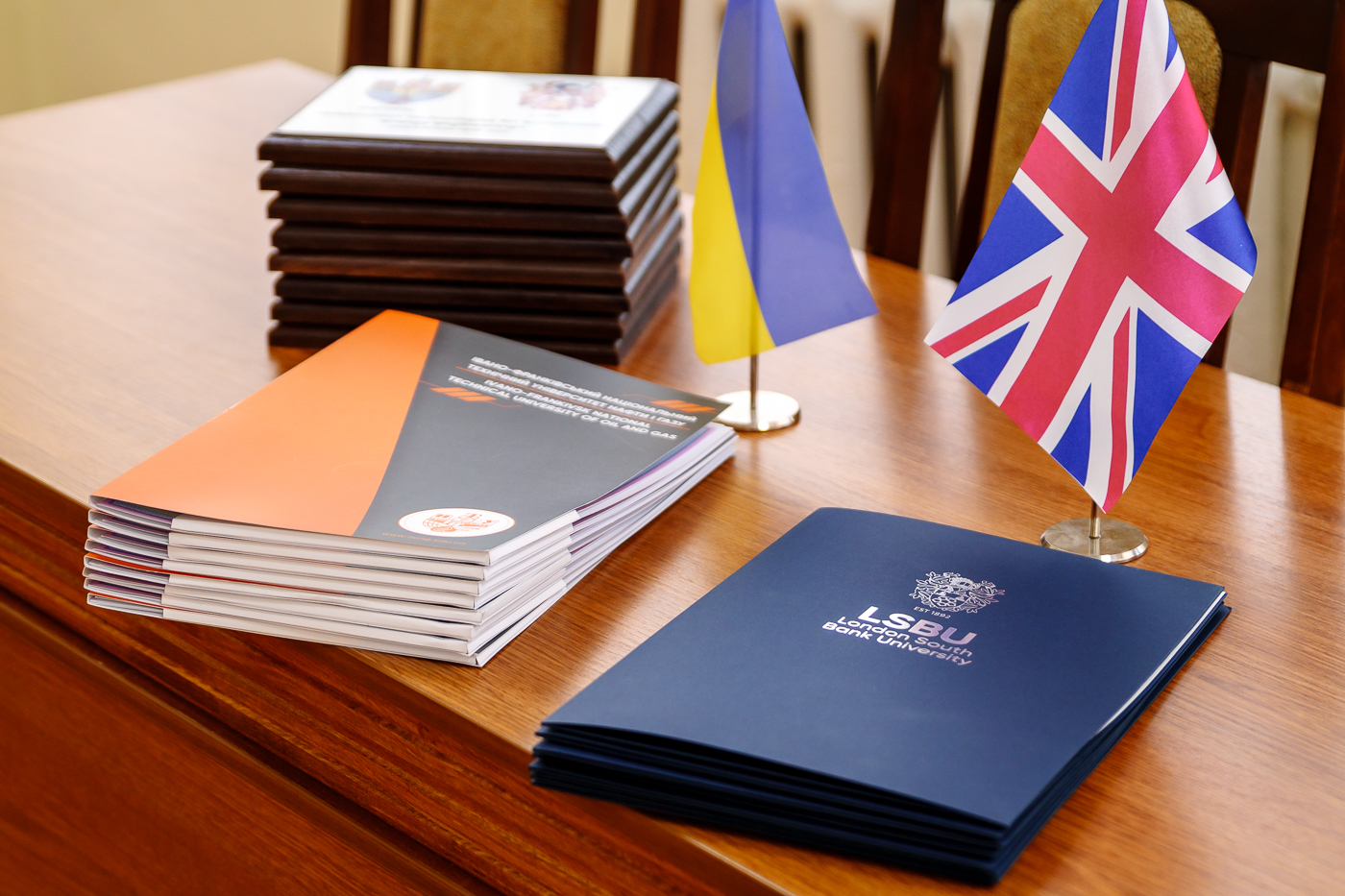
Master’s program “Information Technologies for Sustainable Energy Engineering” (IT4SEE) has a clearly defined structure based on an interdisciplinary approach, and is aimed at achieving specific learning outcomes (ILO) corresponding to the 7th level of the European Qualifications Framework.
Structure of the educational program
The learning process continues 1.5 years (3 semesters) to gain 90 ECTS credits. The program is delivered entirely in English and combines theoretical training with an intensive practical component.
- First semester (30 credits): Forms a management and engineering foundation. Students study sustainable development economics, IT project management, data analysis, principles of renewable energy, and business English language. The semester concludes with 2-week industrial practiceI n specialized companies.
- Second semester (30 credits): Focuses on deep professional training. Mandatory modules include computer modeling, designing information systems for monitoring energy objects, and studying intellectual property. In addition, students choose three selective modules, allowing you to create an individual trajectory (for example, focusing on Backend development, AI, or materials science).
- Third semester (30 credits): Dedicated to quality standards and practical implementation of knowledge. Students choose two specialized modules and complete the pre-graduate internship (4.5 weeks). The culmination is the execution and defense of Graduation Project.
Program Learning Outcomes (PLO)
The Program Learning Outcomes were developed jointly by experts from IFNTUNG and London South Bank University to ensure compliance with both Ukrainian and British standards. They are divided into four key groups:
- Students will have knowledge and understanding of:
A1. sustainable energy engineering and the place of ICT in energy problems solving.
A2. scientific facts, concepts, theories, principles and methods of applying IT in sustainable energy engineering.
A3. sustainable energy engineering as a research area when working with technical literature and other sources of information.
A4. mathematical principles and methods necessary for the creation of virtual means of applying IT in sustainable energy engineering.
- Students will develop their intellectual skills such that they are able to:
B1. search, process and analyse information from various sources.
B2.to conduct research at an appropriate level.
B3.identify, pose and solve problems.
B4.make informed decisions.
B5.evaluate and ensure the quality of the work performed.
B6.apply a systematic approach to solving scientific and technical tasks of applying IT in sustainable energy engineering.
Students will acquire and develop practical skills such that they are able to:
C1.choose and apply suitable mathematical methods, computer technologies, as well as approaches to standardisation and certification to solve problems in the field of sustainable energy engineering.
C2. solve complex tasks and problems of ICT, information and measurement technology, standardisation in quality assessment.
C3. solve complex professional tasks and problems based on an understanding of the technical aspects of ensuring quality control.
C4. apply a comprehensive approach to solving experimental tasks in sustainable energy engineering using information and measurement equipment and application software.
C5. develop software, hardware and metrological support of computerised information and measurement systems for sustainable energy engineering.
C6. to take into account the requirements for energy engineering activity in the field of technical regulation, due to the need to ensure sustainable development.
Students will acquire and develop transferable skills such that they are able to:
D1. communicate in the English language.
D2. work in an international context.
D3. develop and manage projects in sustainable energy engineering.
D4. use information and communication technologies.
D5. consider commercial and economic contexts in sustainable energy engineering.
D6. manage projects and start-ups in sustainable energy engineering and evaluate their results.
D7. comply with legal and ethical standards on intellectual property in sustainable energy engineering.
Graduate profile
It involves the ability to integrate best practices into post-war reconstruction projects in Ukraine, design Smart Grid systems, and coordinate multidisciplinary teams to address the energy crisis.